Send enquiry
How I work

Three layers that interweave.

The fit2aligned method combines three layers: somatic experiencing for the body level, systemic work for the team level, polyvagal theory (Stephen Porges) as the explanatory frame. Plus optional human design reading on request. Change that carries across quarters, not flash fires.

Not an esoteric programme, not a one-size-fits-all framework. A deliberate combination of body work, systemic clarity, and a pragmatic tool for individual energy. Three approaches strong on their own, sturdy together.

Method in three layers plus optional Human Design Three overlapping circles show Somatic Experiencing as the body level, systemic work as the team level, and Polyvagal Theory as the scientific explanatory frame. Where the three layers intersect, clarity under pressure emerges. Beside them a smaller circle for Human Design as an optional private service. Somatic Experiencing Body Level Systemic Work Team Level Polyvagal Theory Explanatory Frame Clarity under pressure Human Design optional · on request

Three layers, one intersection: where body, team and explanatory frame come together, clarity under pressure emerges.

Starting point

Classic coaching often doesn’t go far enough.

Cognitive work alone doesn’t shift a stress response in the nervous system. Mindfulness alone doesn’t change team dynamics. Personality models alone explain a lot and change little.

The three layers below act exactly where change actually happens: in the body, in the system, and in how individuals use their energy. Together they hold change steady over quarters, not just over the workshop weekend.

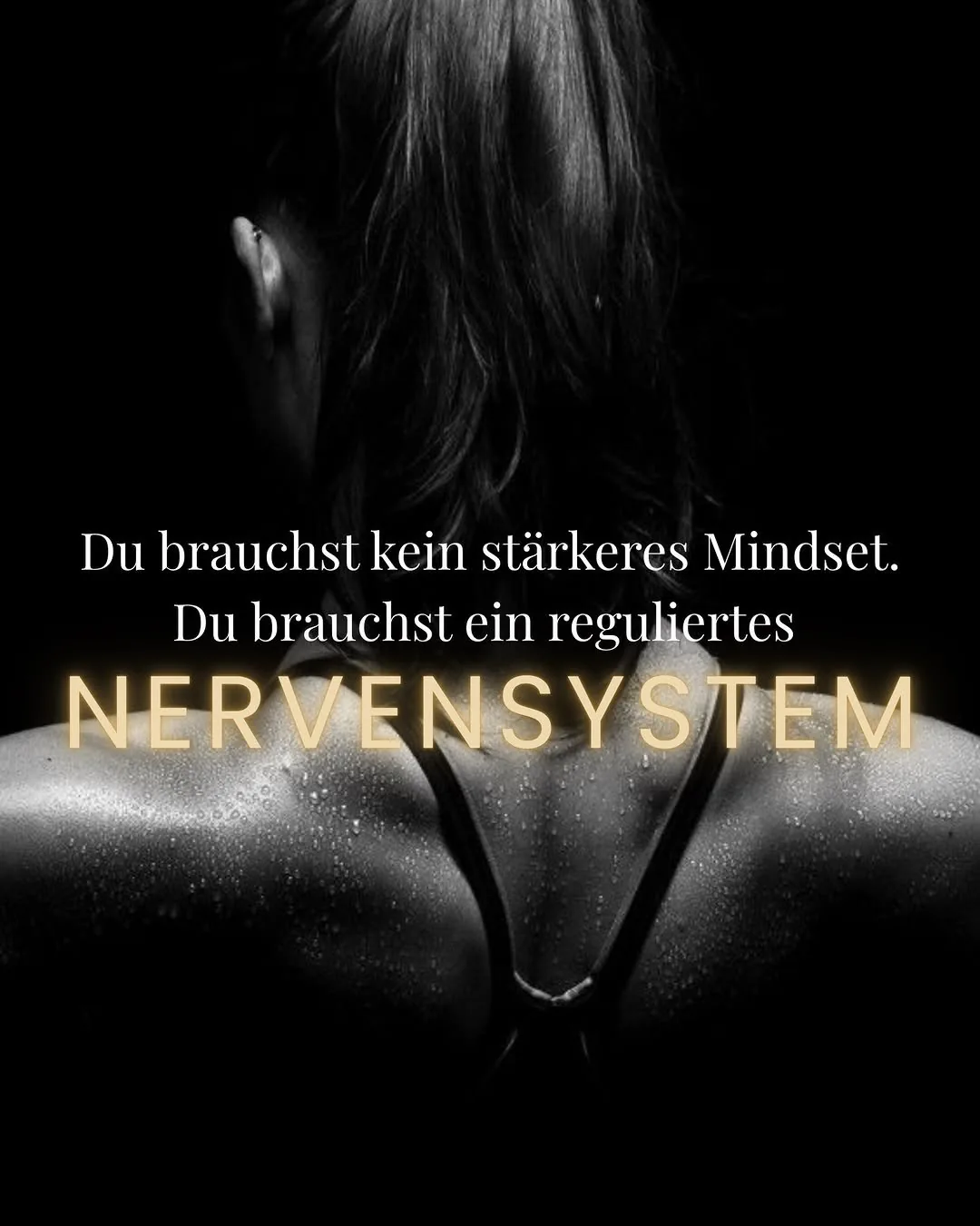
You don’t need a stronger mindset. You need a regulated nervous system.
The sentence many sessions start with, summing up the method’s starting point.
Layer 01

Somatic Experiencing. Work on the nervous system.

Somatic Experiencing was developed by Dr Peter Levine and is today one of the best-evidenced methods for bringing the nervous system’s stress regulation back into balance. In B2B applications this means: you learn to recognise when you’re deciding from reflex, and how to come back from there.

What it is

Embodied stress regulation

Instead of arguing with the mind, Somatic Experiencing works directly with the nervous system. You learn to feel what’s happening in the body before the words come, and you develop tools that take effect within 60 seconds in the middle of a meeting.

  • Scientifically grounded, not esoteric
  • Concrete practices, usable in daily work
  • Felt immediately, integrated for the long run
What it’s for in B2B

Clarity under pressure

Reactivity in the board meeting. Stress cascades in the team. Decision blocks in a crisis. Somatic Experiencing comes in exactly there, because it doesn’t work through understanding, it works through regulating.

  • Recognise and interrupt reactivity
  • Stay decisive under load
  • Recover energy after conflict
Layer 02

Systemic work. What runs under the team’s surface.

Every team has invisible contracts, roles and loyalties. Most friction in organisations doesn’t come from the issues on the table, it comes from what lies underneath and goes unspoken. Systemic work makes that visible, without judging and without therapising.

Make roles visible

Who carries the official role in the team, and who carries the silent one? Who balances whom out? Once these dynamics become clear, conflicts often dissolve that resisted years of work at the surface.

Name the unspoken contracts

Every team has assumptions that were never negotiated. “I’ll cover for you, in return you don’t get to question things.” Naming these contracts is often the biggest lever for more honest collaboration.

Clarify loyalties

Loyal to whom: the task, the person, the past, the hierarchy? Clarity over your own loyalties changes the quality of every decision.

Layer 03

Polyvagal Theory as a practical explanatory frame.

Stephen Porges' model of the three vagus modes is the scientific foundation behind somatic practice. I use it as an explanatory frame so executive teams can understand what is physiologically happening in their own system and in the team's co-regulation. No new-age framing, peer-reviewed research field since the 1990s.

  1. Understand

    Three vagus modes in everyday leadership

    Ventral vagus for clear leadership, sympathetic for activation in sprint, dorsal vagus for protective shutdown. Those who can read the three modes in their own system decide more deliberately and find their way back from chronic activation to clarity faster.

  2. Read

    Neuroception as a blind spot

    What the body senses as safety or threat long before the mind evaluates. In a leadership context this co-determines whether a proposal in a meeting is accepted, well before content arguments take effect. Conscious neuroception is the leverage.

  3. Scale

    Co-regulation as the mechanism of impact

    The state of executive leadership is not private. It carries through voice prosody, facial expression, breathing rhythm into the team. A more regulated leadership scales without further measure. That is the core mechanism of somatic engagement in organisations.

How it comes together

Three layers, one movement.

Somatic Experiencing regulates the nervous system in the moment. Systemic work clarifies what runs between people. Polyvagal Theory provides the scientific explanatory frame for why co-regulation in teams scales. Together, the three layers form a frame in which people decide clearly, teams collaborate more honestly, and leadership holds, even under pressure.

Preview

This is what body work looks like.

A short preview from a real session. The video only loads on play, no hidden downloads.

FAQ

Common questions about the method.

Is Somatic Experiencing scientifically recognised?

Yes. Somatic Experiencing has been researched since the 1970s and is used in trauma therapy, stress research and increasingly in leadership coaching. In a B2B context I don’t use the therapeutic side, I use the preventive-regulatory side.

Isn’t this all just esoteric?

No. It’s body work on a scientific basis, combined with systemic reflection and a pragmatic personality model. If something couldn’t be explained in a board meeting, I don’t build it in.

Why these three layers in particular?

Because they hold each other up. A single layer often produces a flash in the pan. The combination of body, system and individual is what makes change carry through weeks and quarters, not just over the workshop weekend.

Do I need to “believe” in Human Design for this to work?

No. You use it as a model, the way you use any other model. If it helps you see your own decision patterns more clearly, it was useful. If not, we leave it out. There’s no belief contract.

What does an actual session look like?

We work on a real situation from your daily work. What was the trigger? What happened in the body? What decision came out of it? Then we practise a regulation, look at the team dynamic behind it, and develop a small anchor you take into daily work.
Background & sources

What the whole thing rests on.

The methods here are not invented. They have a research background that I translate pragmatically into the B2B context. If you want to dig deeper yourself, here are the primary sources.

  • Peter A. Levinefounder of Somatic Experiencing. In an Unspoken Voice: How the Body Releases Trauma and Restores Goodness (2010, North Atlantic Books). Somatic Experiencing International →
  • Stephen W. PorgesPolyvagal Theory for stress regulation. The Polyvagal Theory: Neurophysiological Foundations of Emotions, Attachment, Communication, and Self-regulation (2011, W. W. Norton). Polyvagal Institute →
  • Ra Uru Huthe original Human Design material. In coaching I use its pragmatic reflection tools, not its esoteric frame. Jovian Archive →

Research note: Somatic Experiencing and Polyvagal Theory show positive effects on stress regulation and wellbeing in initial studies. Further randomised controlled trials are under way. In a coaching context I work preventive-regulatory, not therapeutic.

What you book

Format, timeline and investment.

So you can plan: concrete frames, duration and investment ranges. All formats are individually tailored, the numbers are starting figures.

1:1 work

Leadership sparring

Format: 6 sessions of 75 minutes each, online or on-site in Hamburg
Timeline: over 3-6 months, with mid-point review
Deliverables: Session notes, practice anchors for daily work, mid-point reflection
Investment: from €3,900 net

Half-day workshop

Half-day team session

Format: 4 hours in-house, up to ~12 people
Timeline: Pre-call + half-day + recap
Deliverables: Team charter, 3 usable practices, recap document
Investment: from €2,800 net

Full-day workshop

Team workshop

Format: Full day in-house, up to ~25 people
Timeline: Pre-call + workshop day + written recap
Deliverables: Team charter, 3 usable practices, written recap
Investment: from €3,900 net

Off-site

Leadership off-site

Format: 1 or 2 days, leadership team, retreat setting possible
Timeline: Preparation 4-6 weeks, follow-up 2 weeks
Deliverables: Strategy anchors, team agreements, individual energy map
Investment: 1 day from €4,900 · 2 days from €8,500 net

Engagement

In-house programme

Format: 6 months of continuous work with executives and the wider team
Timeline: Kick-off + monthly modules + 1:1 sparring
Deliverables: Tailored curriculum, monthly reviews, half-year report
Investment: from €22,000 net, depending on scope and duration

All prices net, includes preparation and follow-up. DACH travel costs shown transparently. Detailed quote after first call. General Terms apply (German version is legally binding) — see Terms.

Up for a first preview?

30 minutes, in which we work on a real topic of yours. No pitch, no sales call. If the chemistry fits, we talk about a format. If not, you still leave with something concrete.